

Reach out to us
For booking, sales inquiries or travel insurance call us on
Call Us:
+254 707 459 828
Subscribe for updates & promotions
Get the latest insights and inspiration from us.
Nabiyotum Crater is not a destination. It is a reckoning.
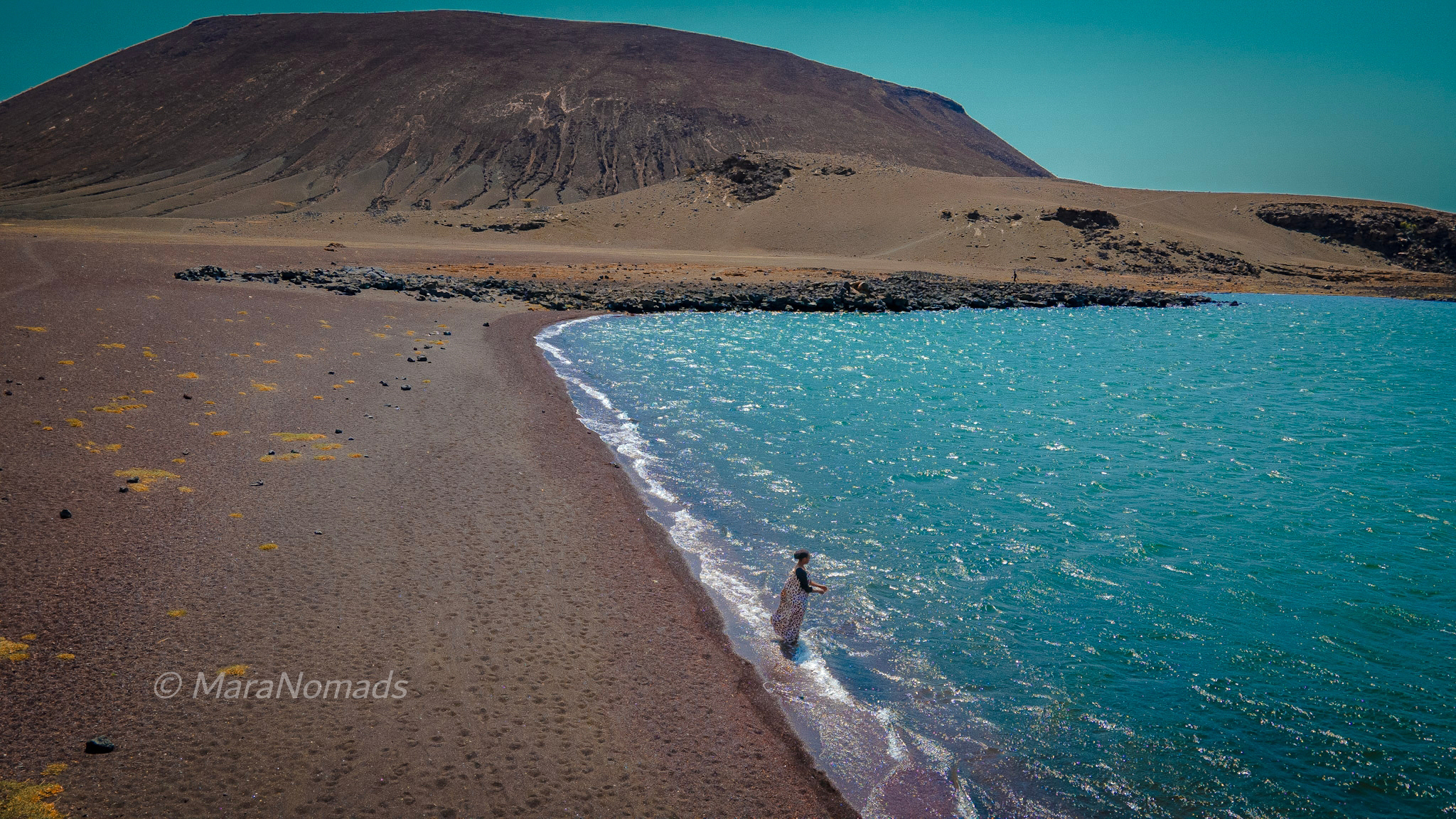
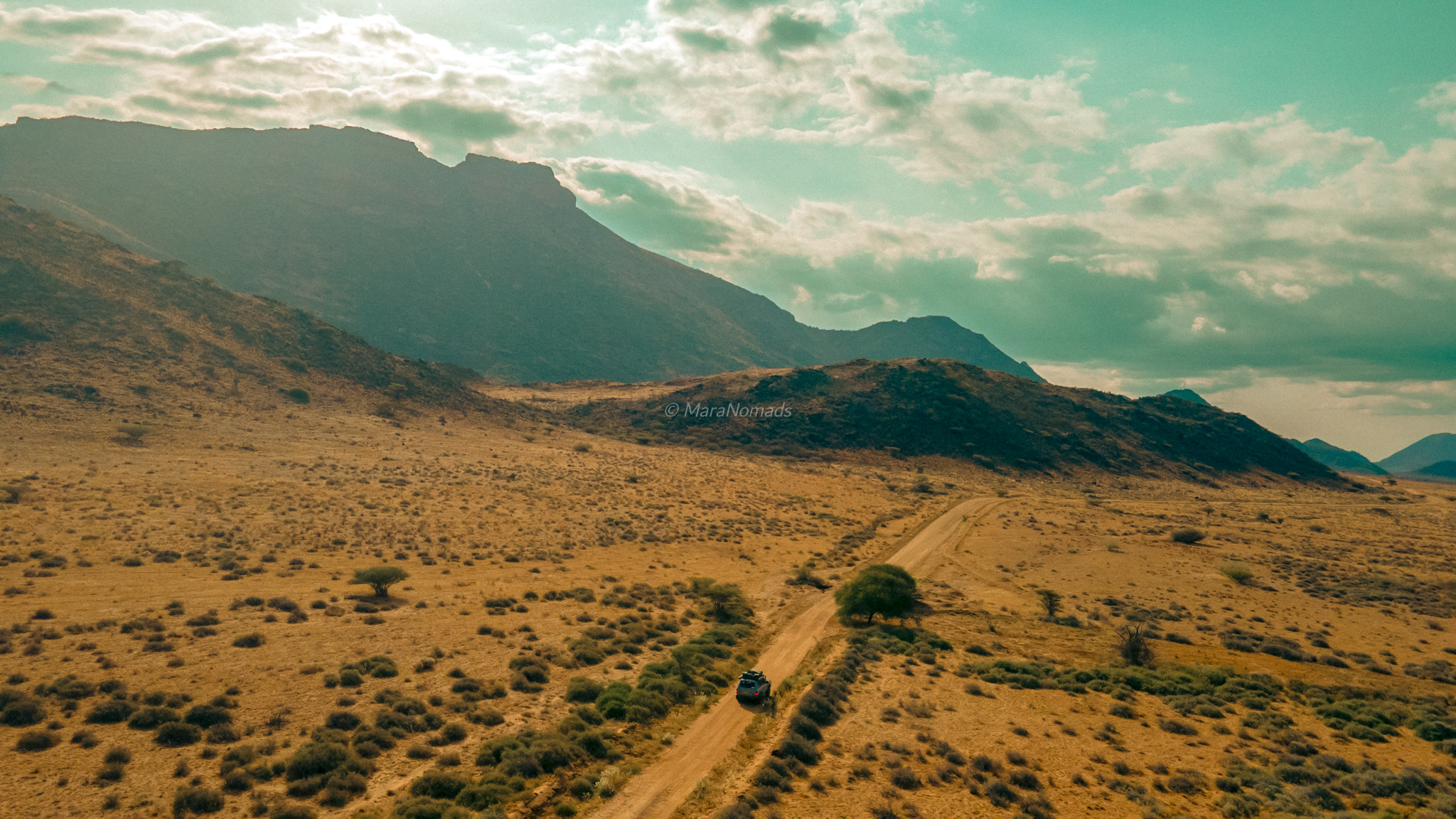
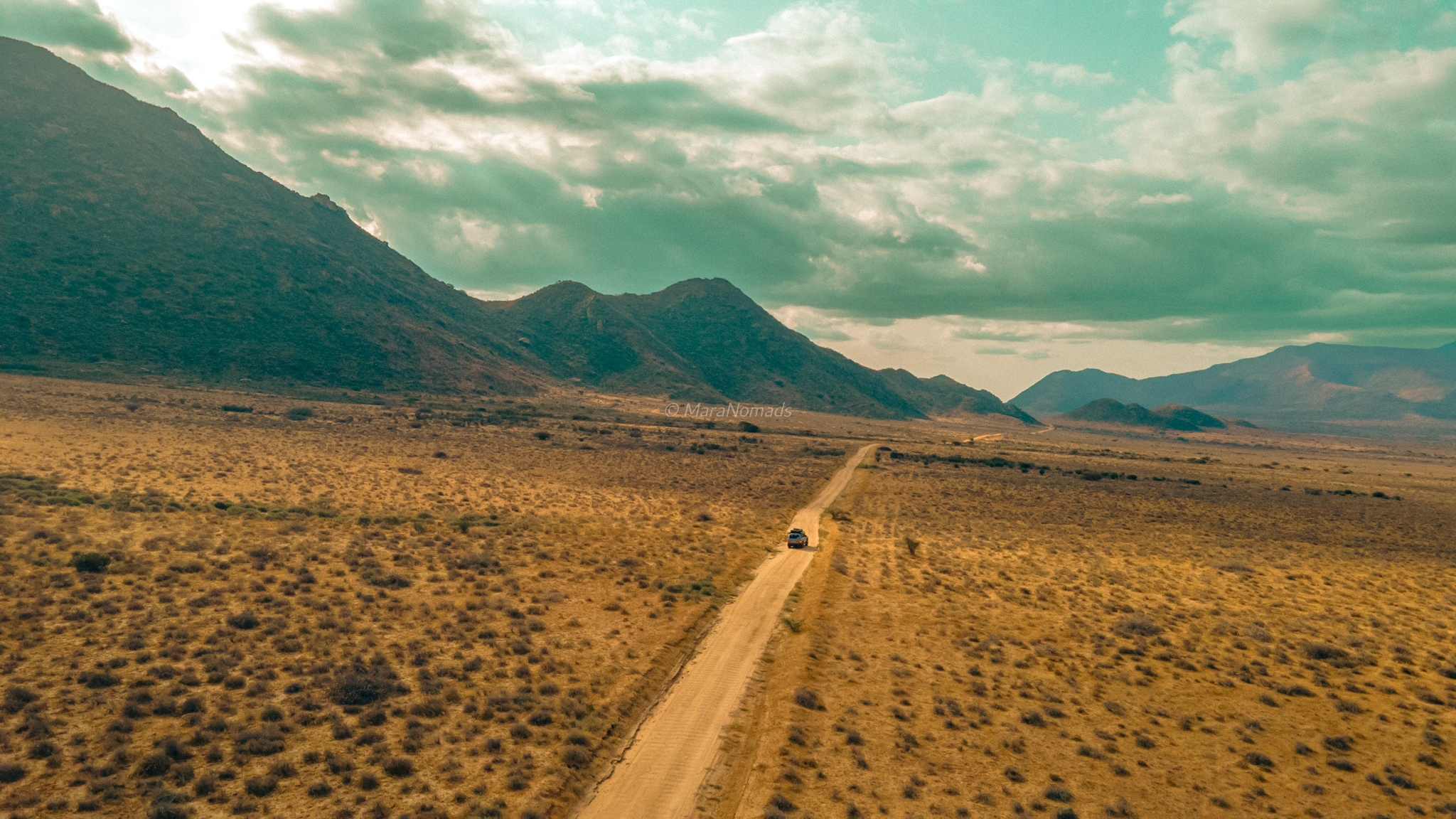
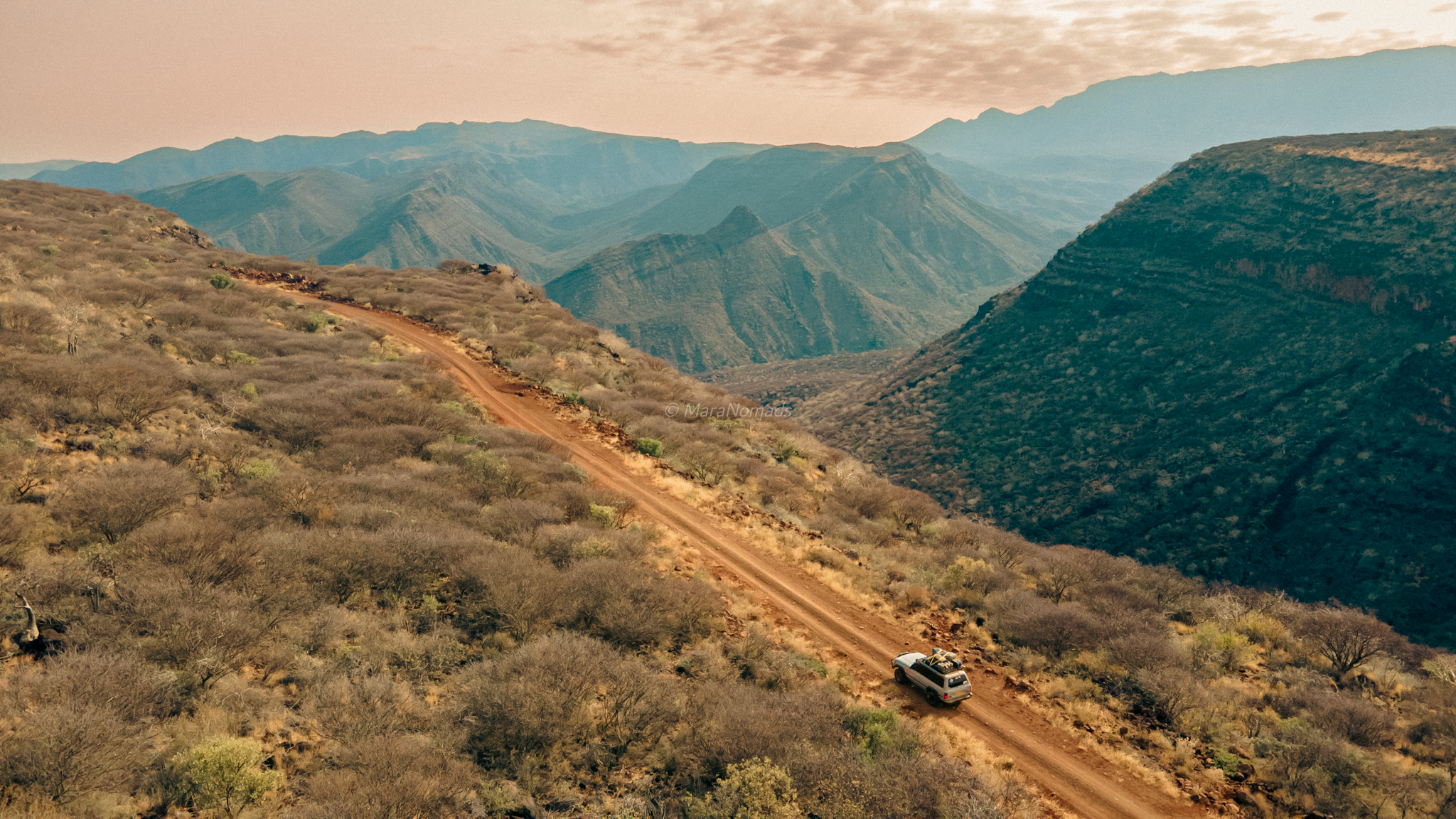
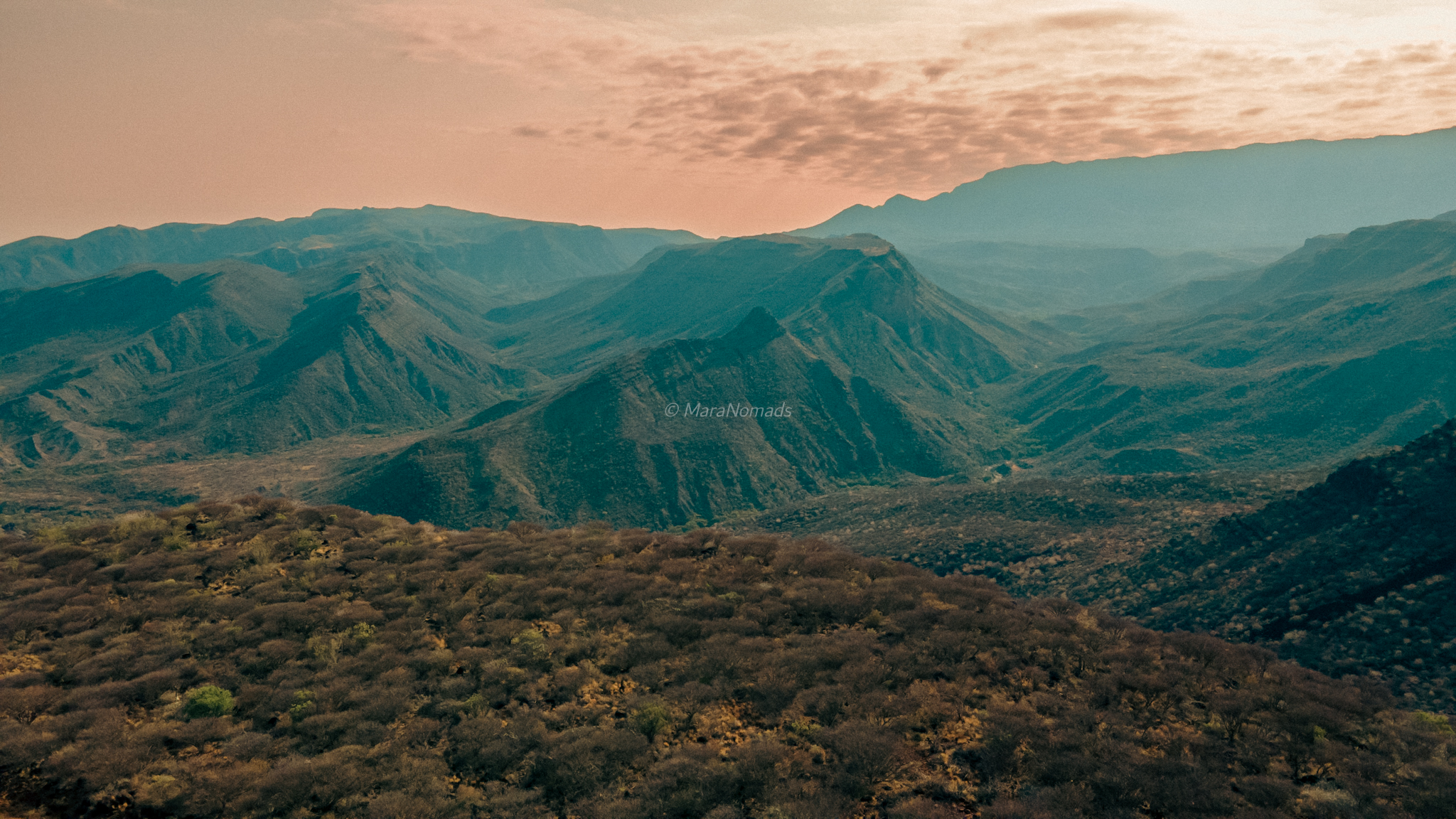
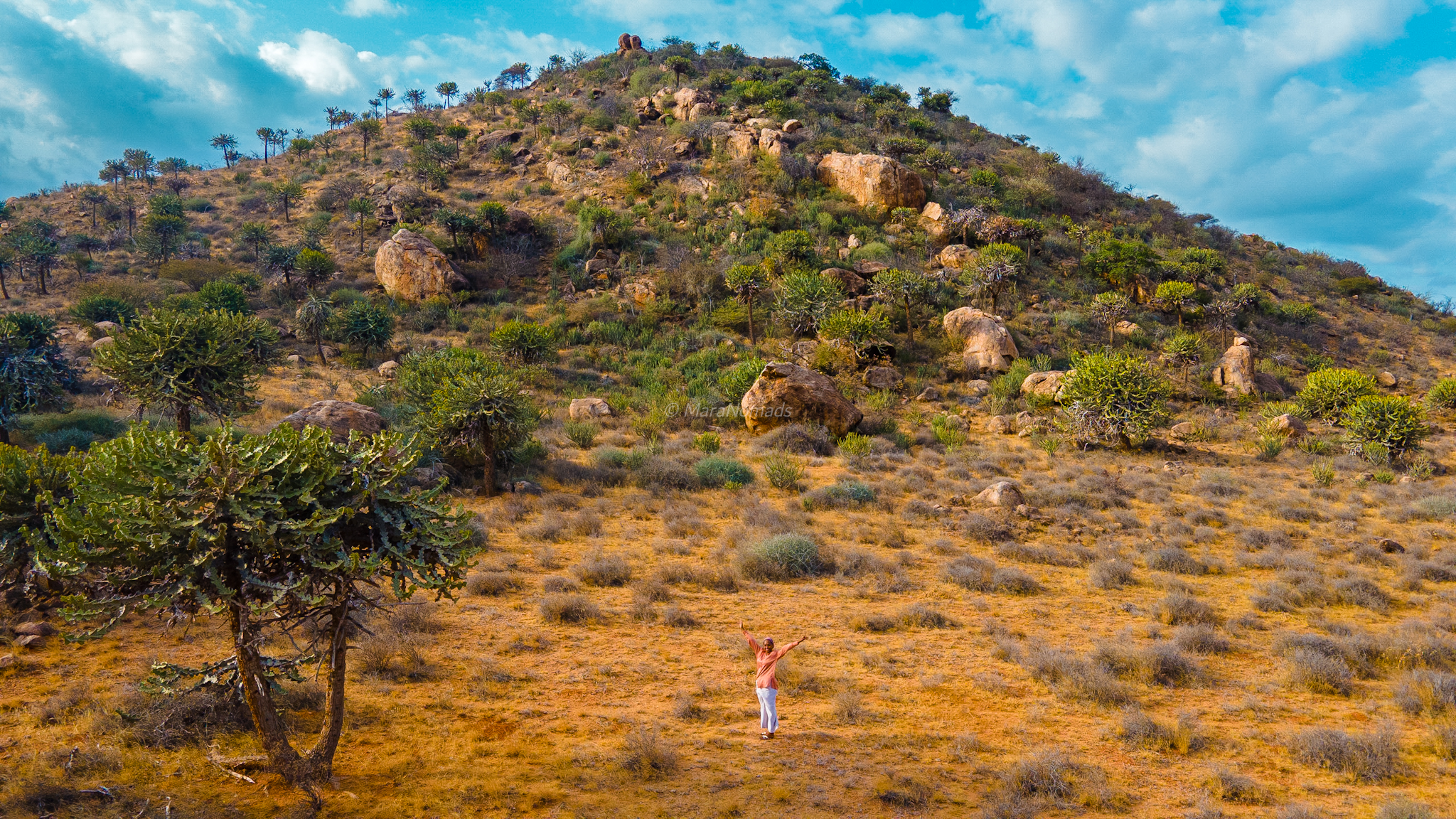
A volcanic island rising from the jade-green waters of Lake Turkana — Kenya's Jade Sea — Nabiyotum sits beyond the Barrier Ranges, one of the most geologically active and physically hostile landscapes on the African continent. Active volcanoes punctuate the horizon. The Barrier Volcano last erupted in 1921, leaving thick, unforgiving sheets of lava mud that defeat everything except a locked, low-geared, purpose-built 4x4 in the hands of a driver who knows exactly what they are doing.
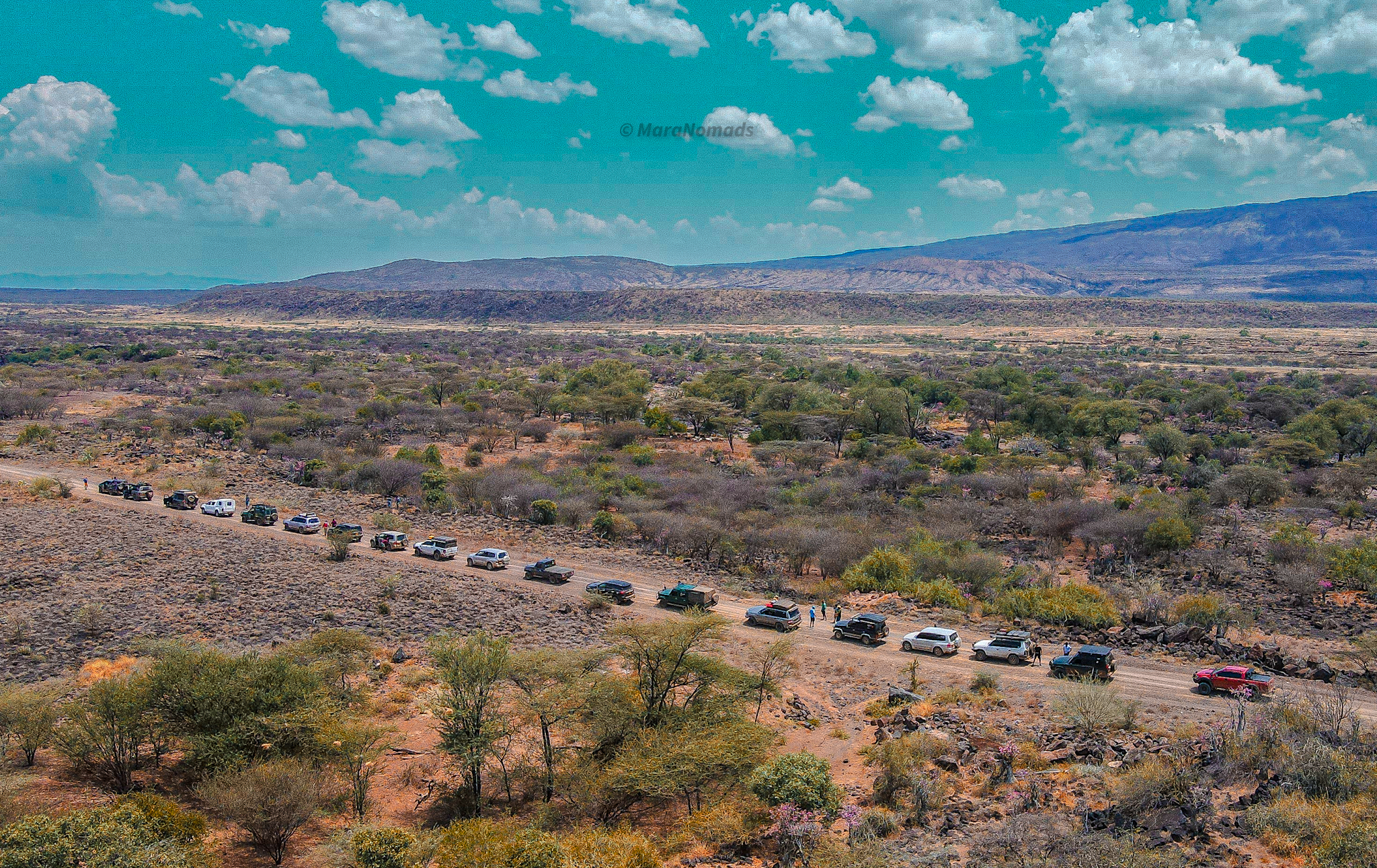
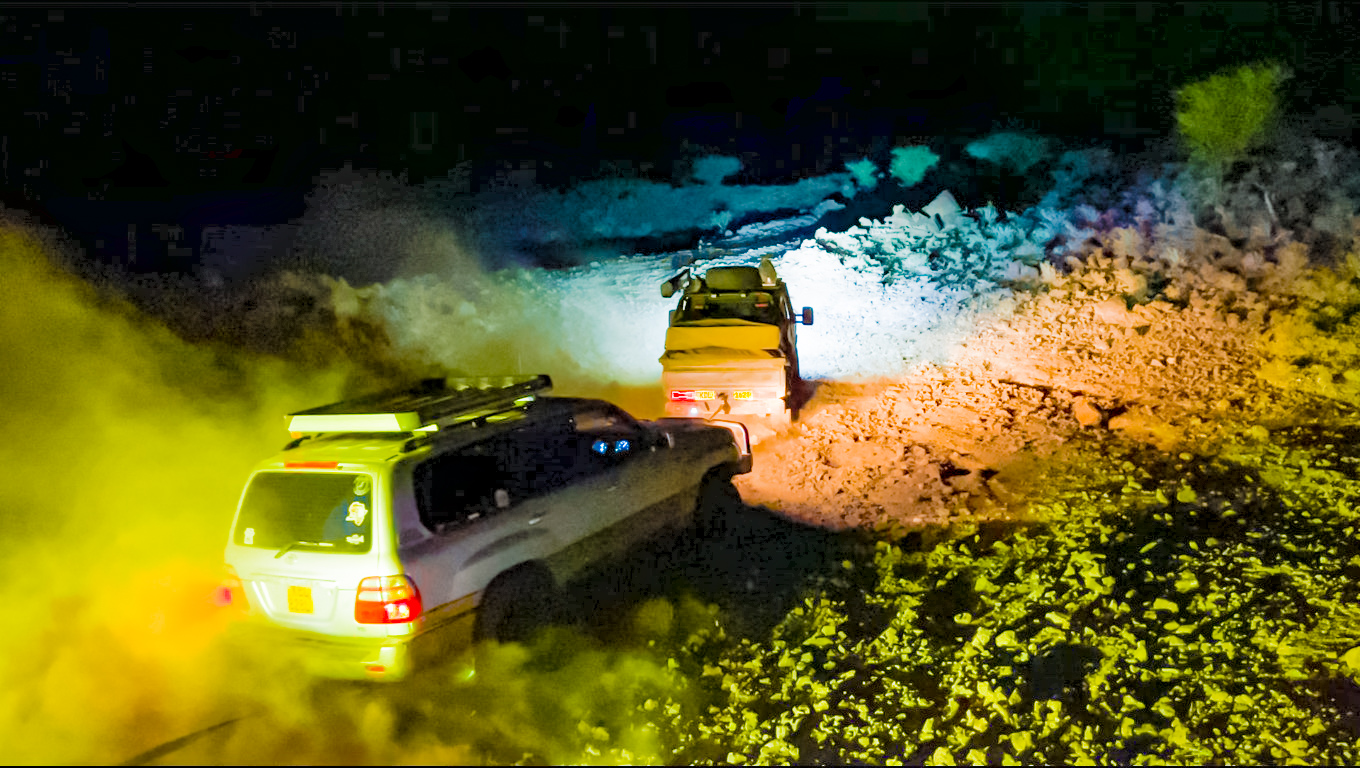
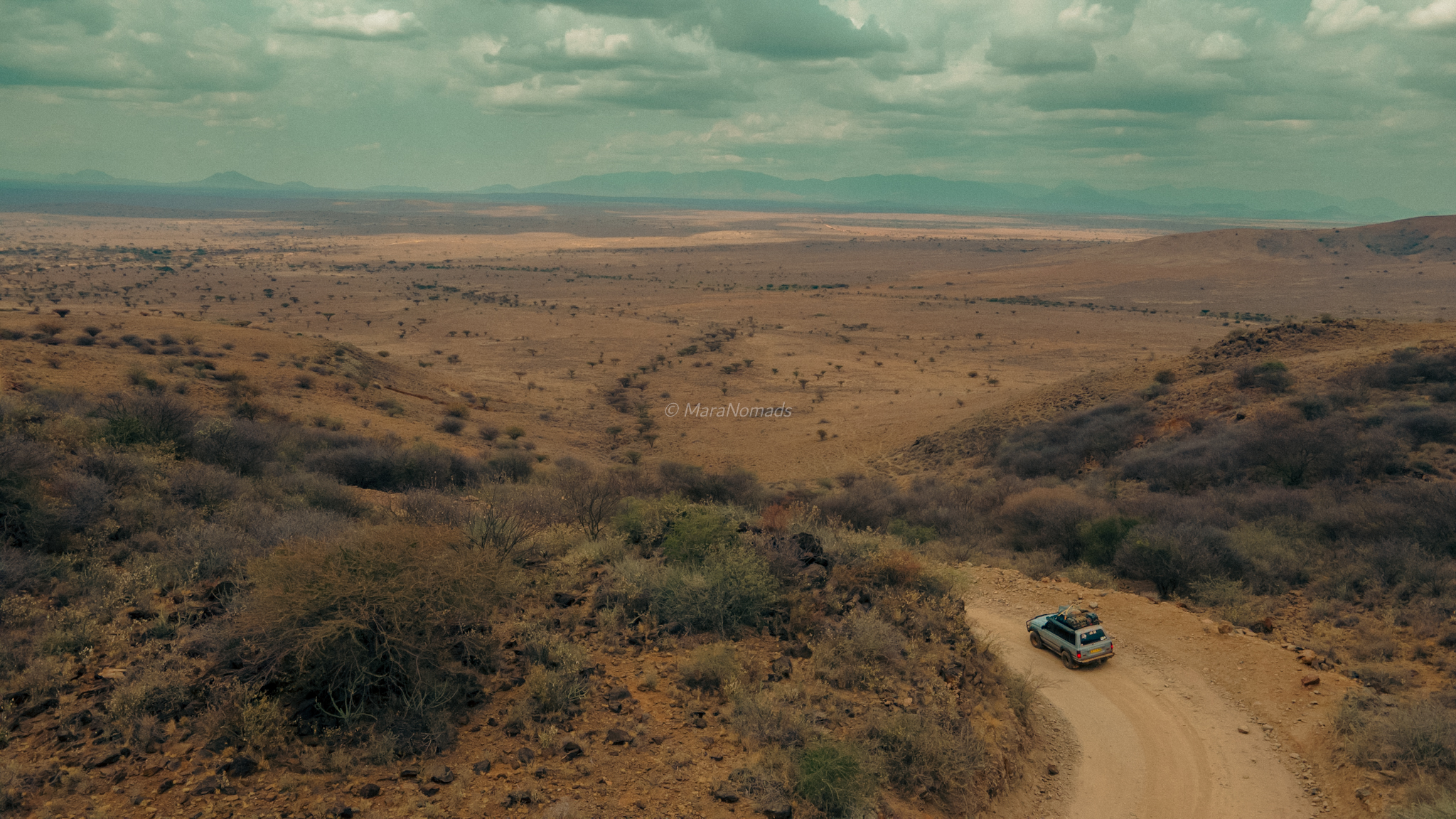
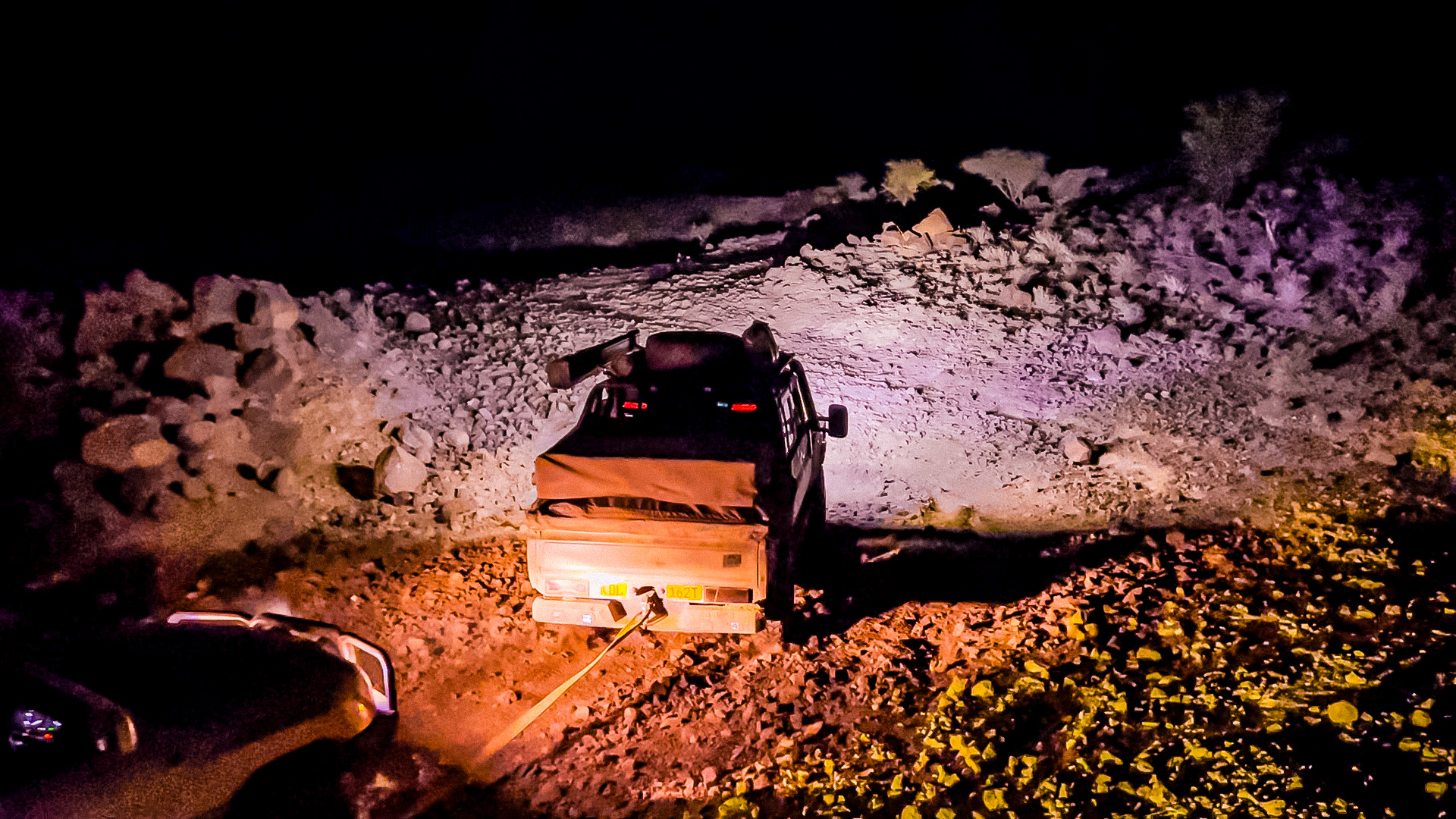
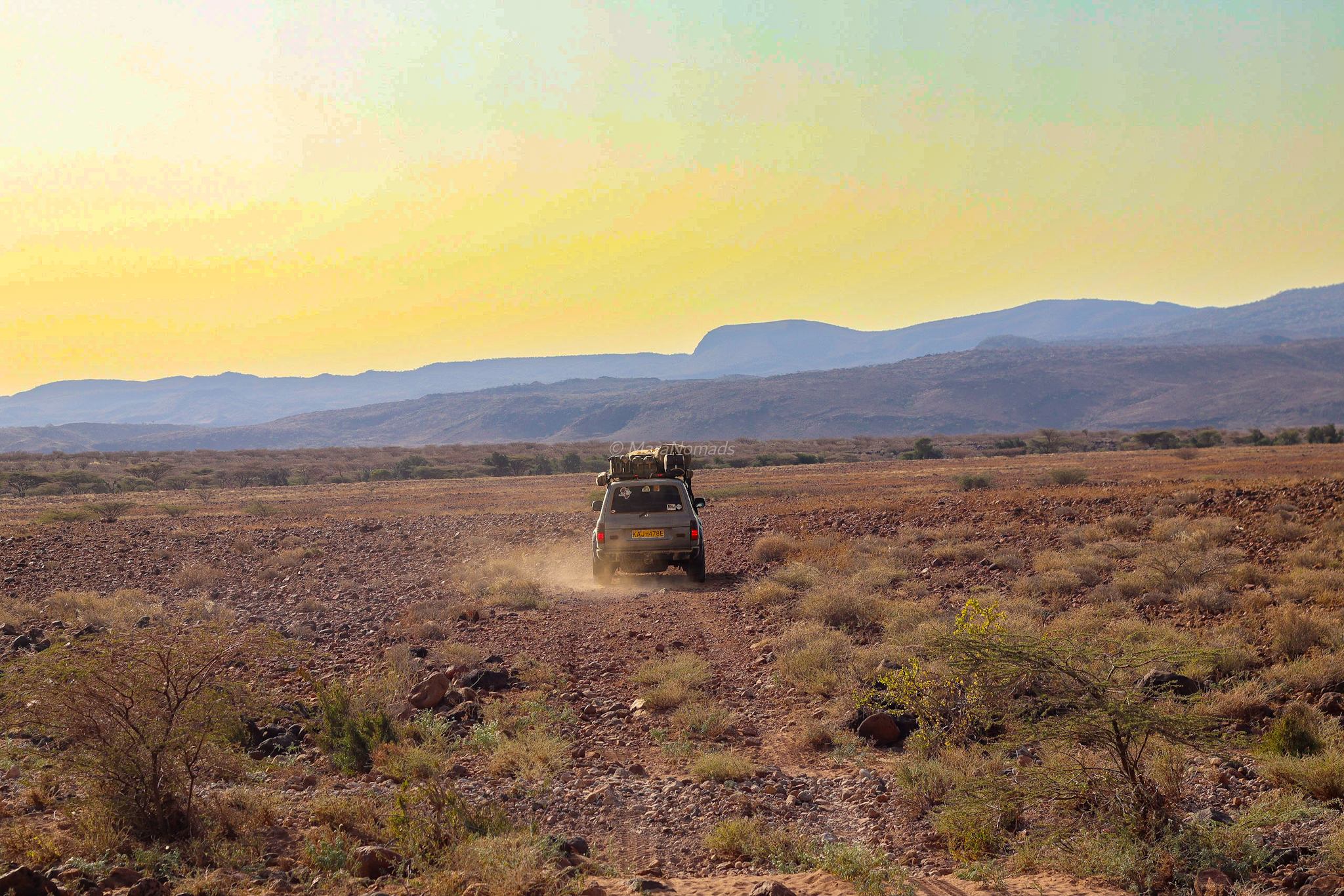
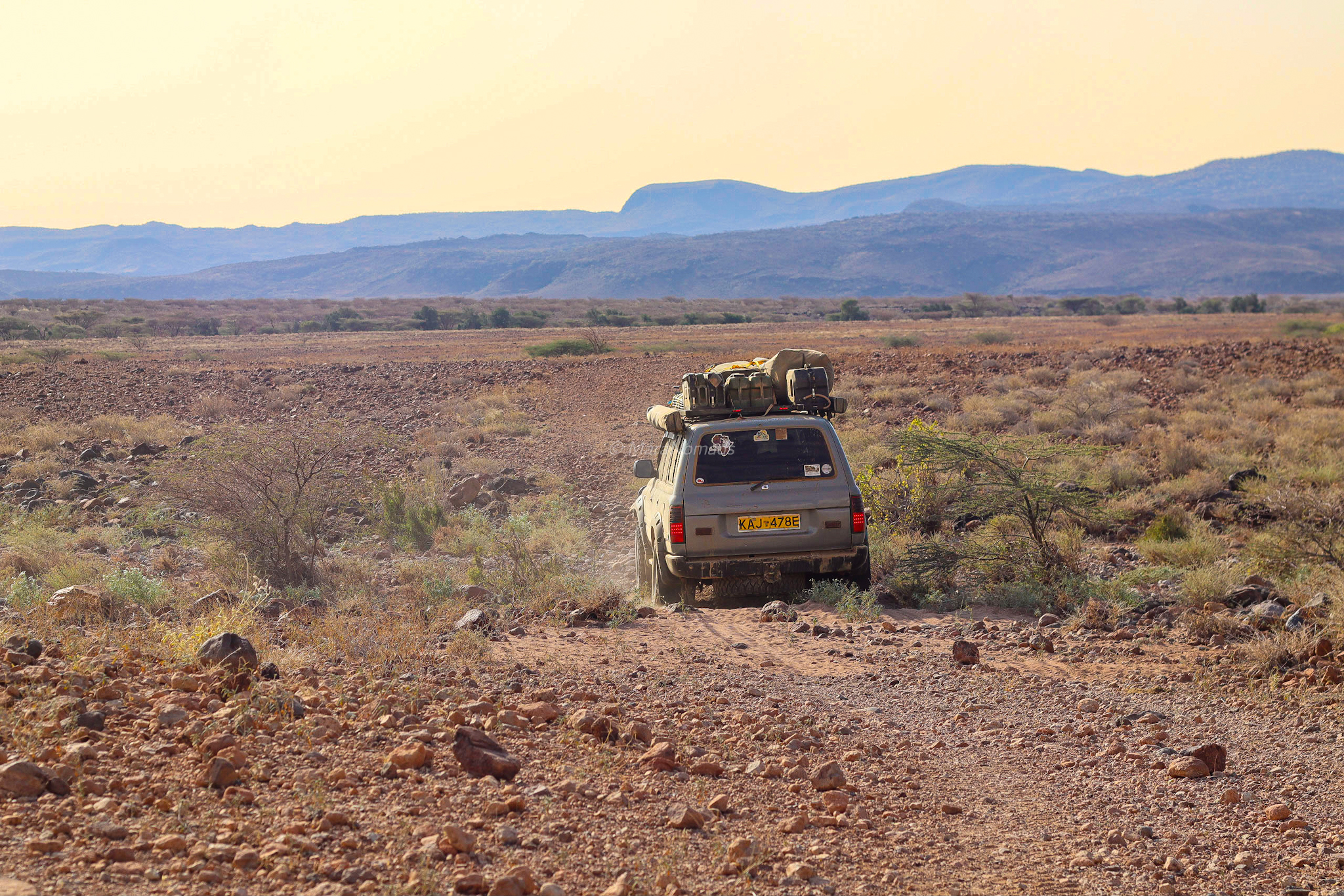
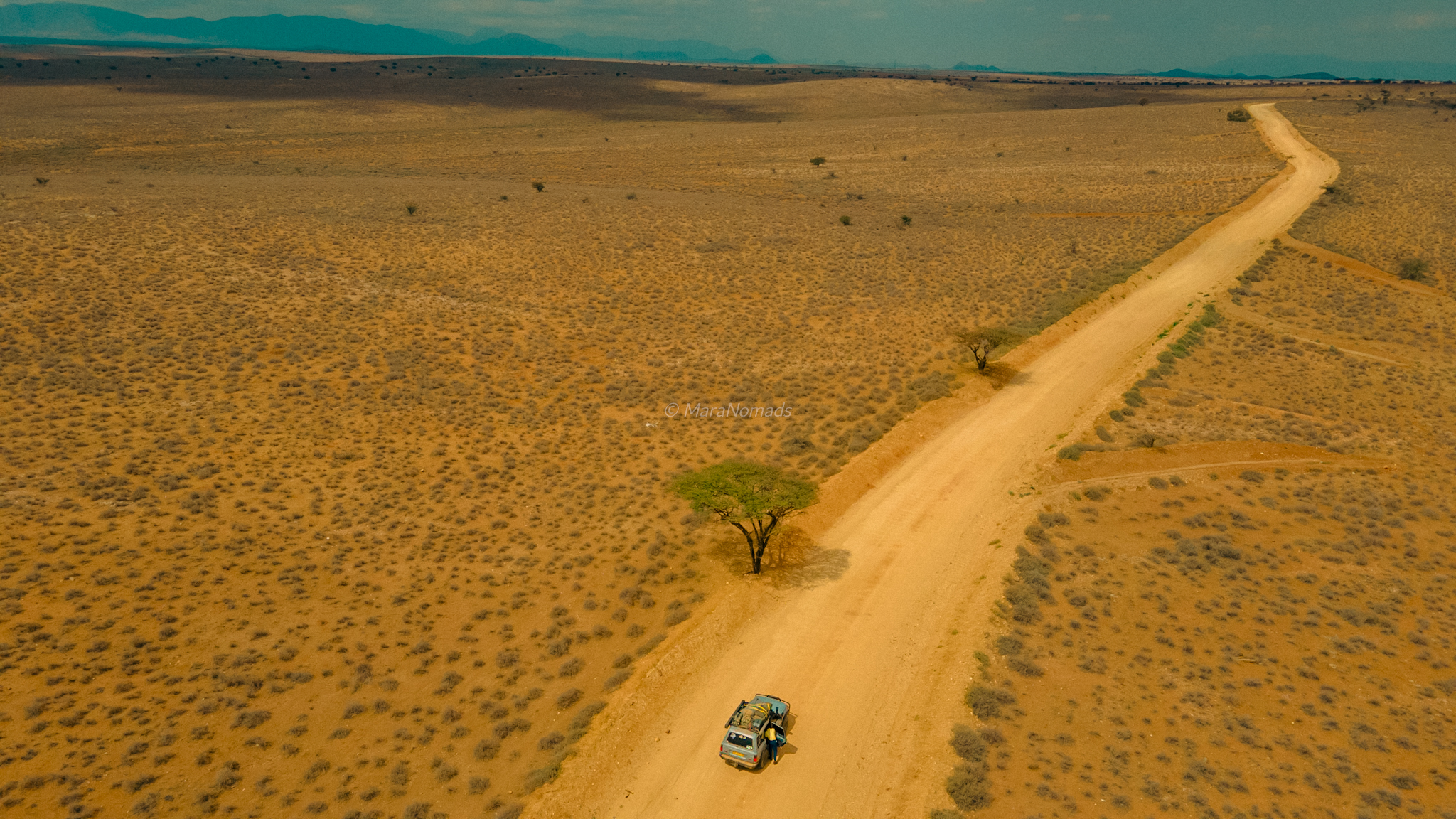
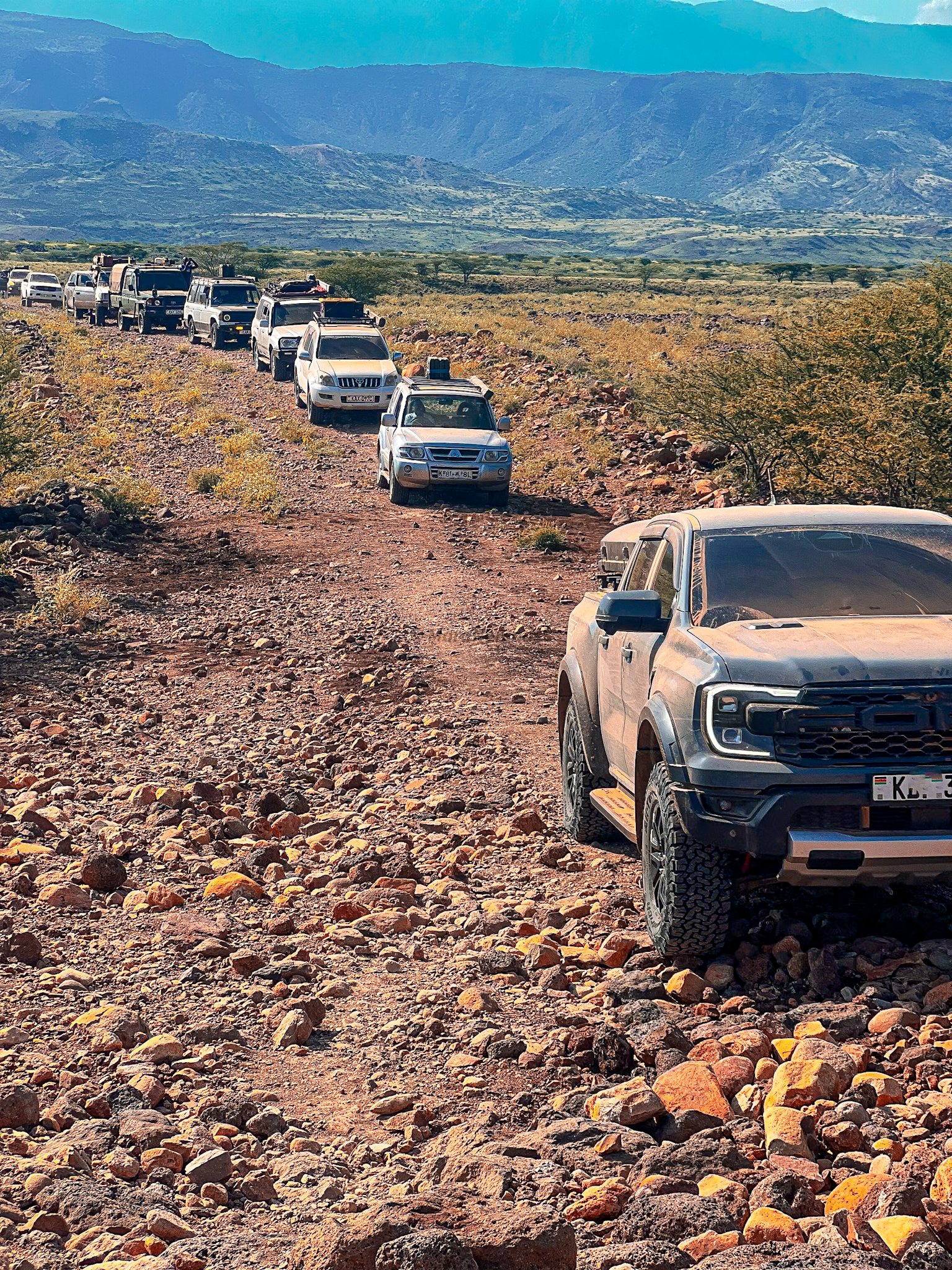
Getting there means crossing 30 kilometres of terrain so broken that the very concept of a track disappears. You will move stones by hand to forge a path. You will engage low-range and hold it there for hours. You will ascend Teleki's Volcano to breach the Barrier Ranges — slopes so steep and so narrow that precision driving is the only option. There is no recovery helicopter. There is no signal. There is no external rescue. There is only the terrain, your machine, and the convoy.
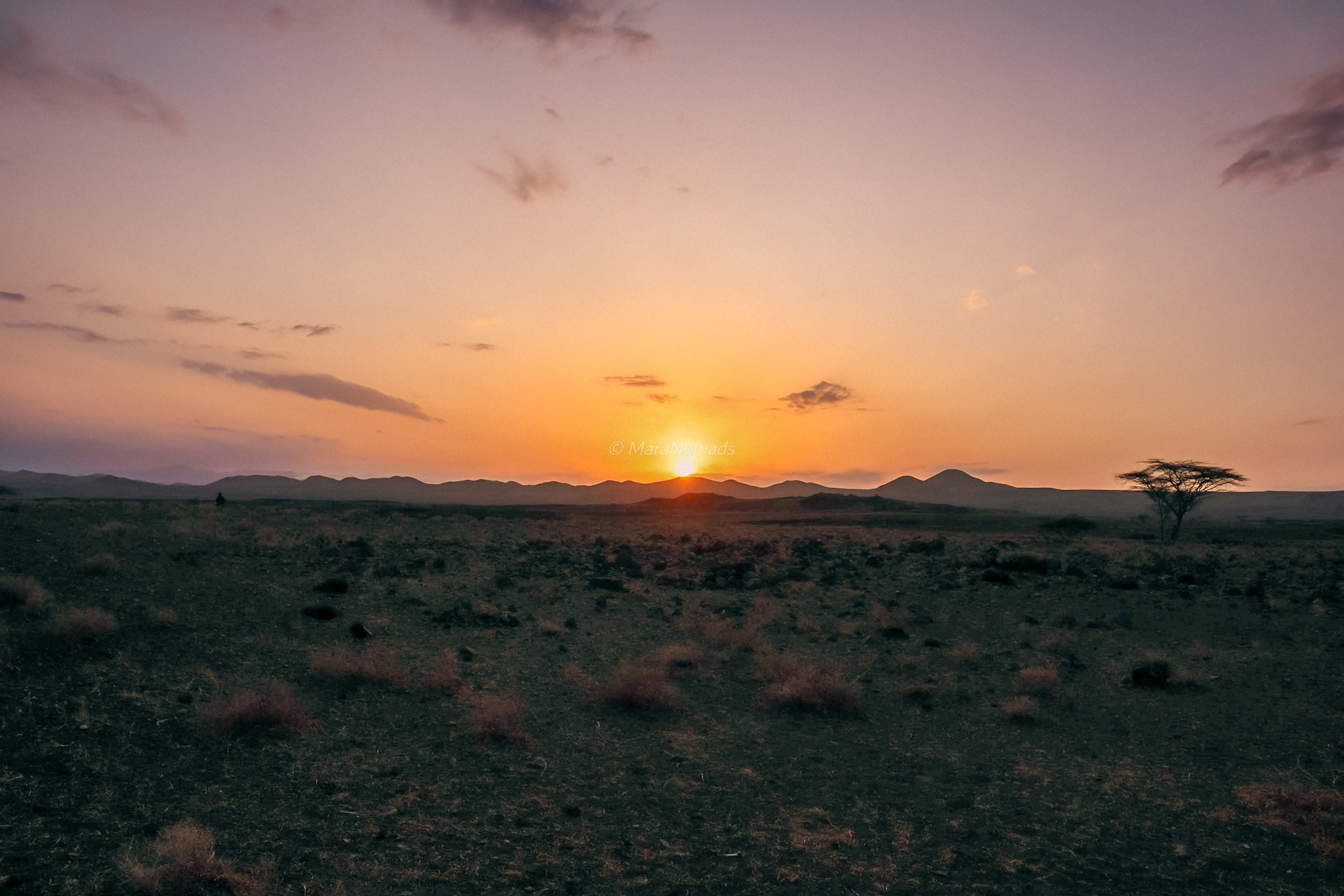
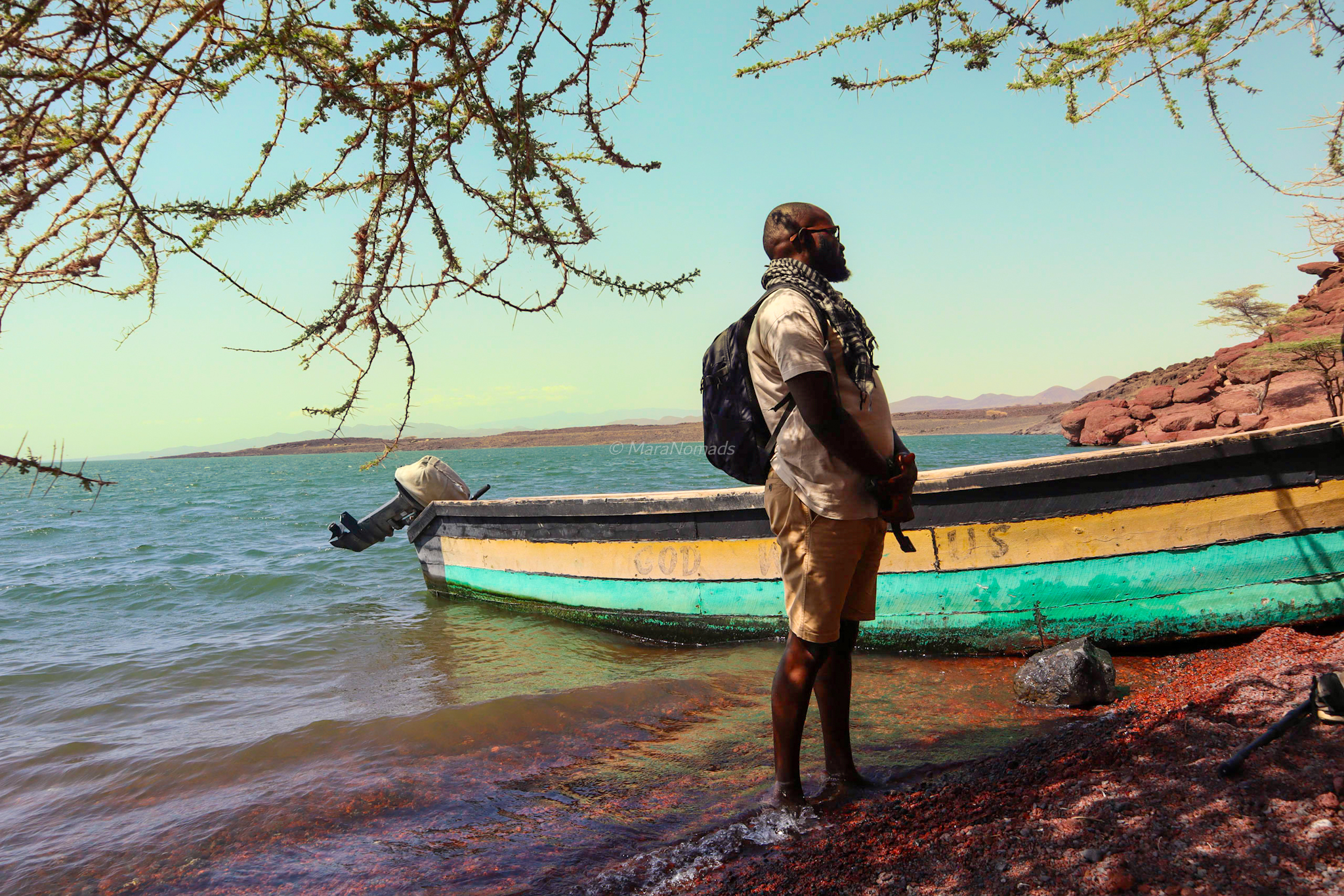
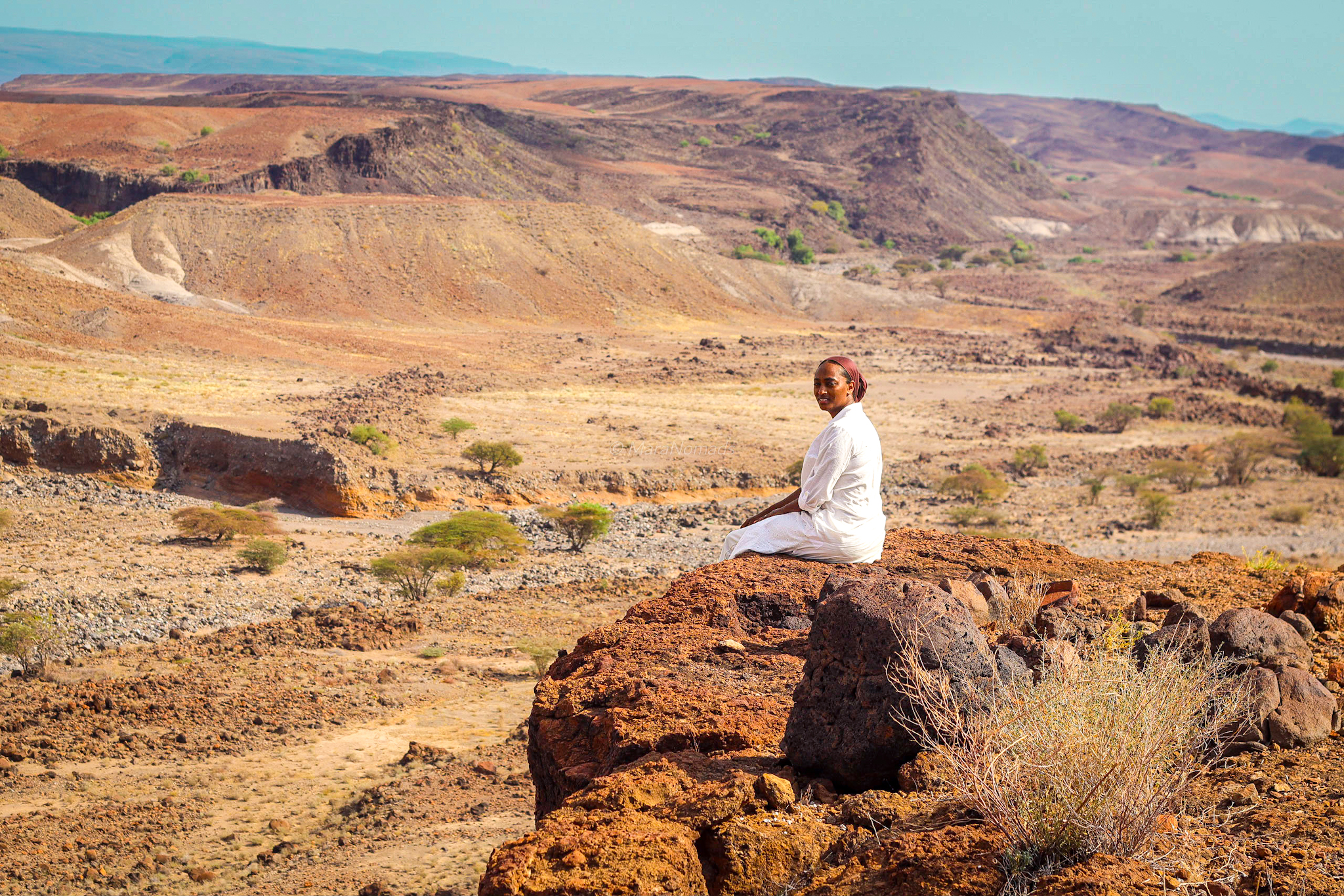
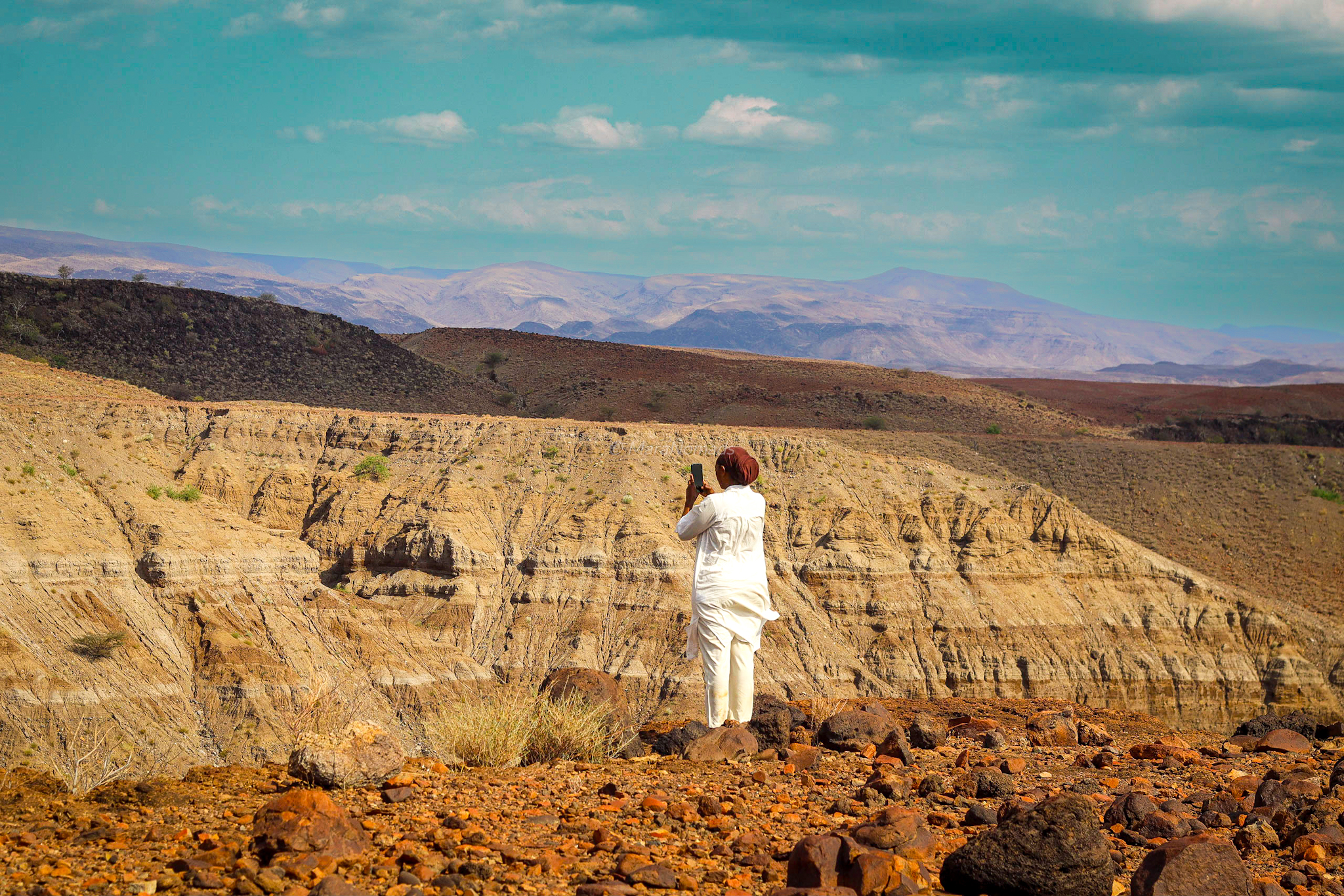
At the end of it: a 45–50 degree volcanic crater summit with views across Lake Turkana that no photograph has ever done justice to, and a red pebble beach where crimson lava sand meets jade-coloured water in a silence that makes you feel like the first person on earth.
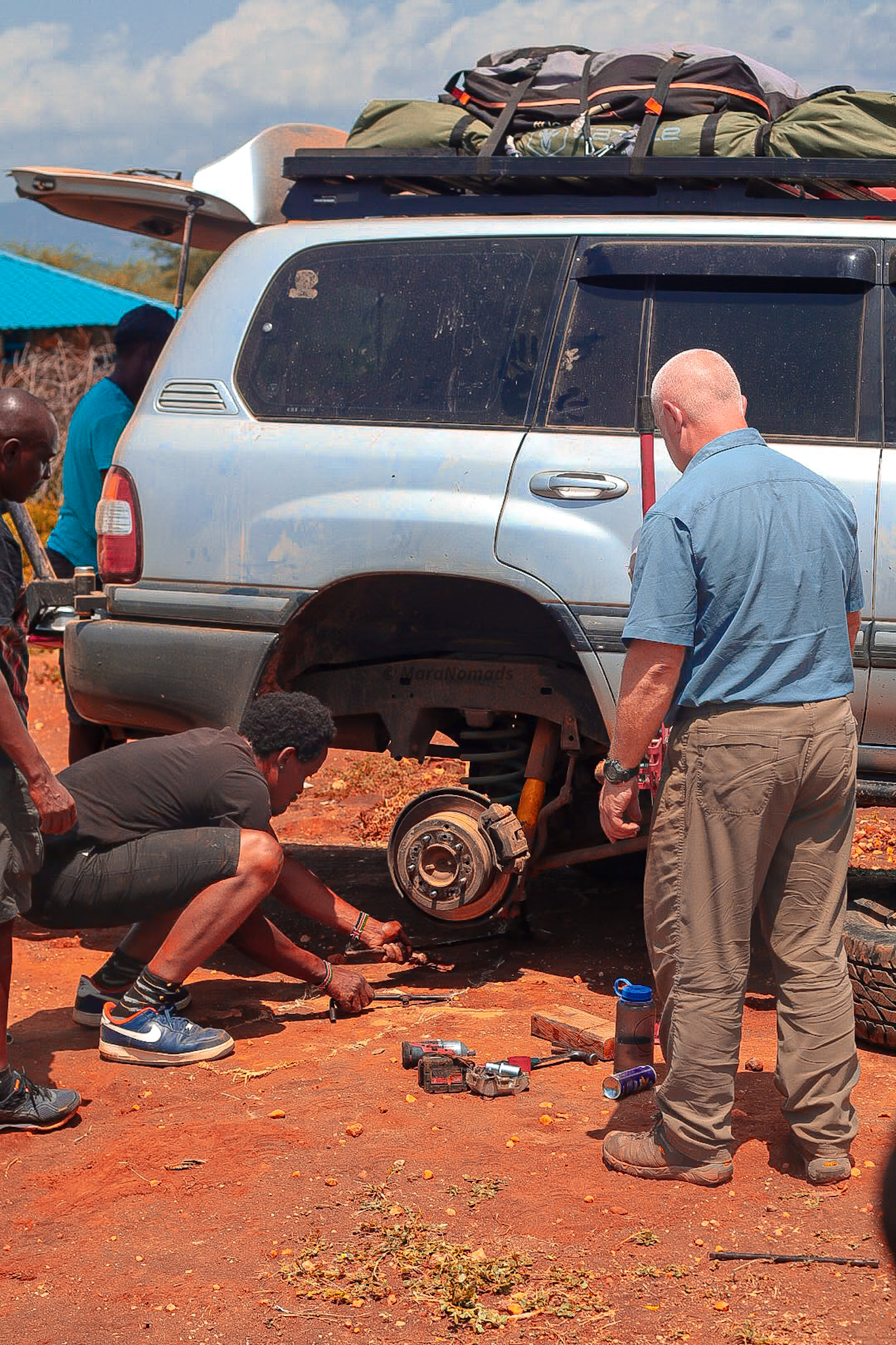
Mara Nomads first documented this crossing with a single vehicle — alone, unsupported, no recovery backup. A tyre was destroyed by lava rock and changed on a slope without a jack. We swore never to return. We are returning — but only on our terms, with a maximum of 10 carefully selected machines and the drivers who can handle them.
|
IMPORTANT — READ BEFORE APPLYING This is the most demanding expedition Mara Nomads has ever run. It is not a beginner expedition. It is not a scenic drive with a difficult patch. The terrain is sustained, relentless, and completely unforgiving of mechanical or preparation failures. If your vehicle breaks down beyond the Barrier, it stays there. You come home. Your vehicle waits. Plan accordingly. |
Every vehicle that applies will be reviewed individually by the Expedition Lead. Meeting the minimum requirements makes you eligible for consideration — it does not guarantee a slot.
The convoy will be managed as a whole; composition, diversity of wheelbase and clearance, and overall convoy capability all factor into final decisions.
NON-NEGOTIABLE REQUIREMENTS
ADDITIONAL REQUIREMENTS
|
IF YOUR VEHICLE BREAKS DOWN IN THE FIELD Beyond the Barrier, there is no towing. There is no recovery truck that can reach you. The convoy will apply all available resources to assist — but if your vehicle cannot be repaired in the field using what the convoy carries, it remains where it stops. You return to Nairobi with the convoy, and you arrange for your own mechanics to travel to the vehicle's location to repair it. This is not a risk we are dramatising. It has happened before. This is why the pre-expedition vehicle inspection and preparation standard is absolute — the time to find and fix problems is before departure, not in the middle of the Barrier. |
Every accepted vehicle will undergo a mandatory pre-expedition inspection conducted by an independent 4x4 specialist. This is not a courtesy check — it is a gate. Any vehicle that does not pass the inspection will not depart with the convoy.
The inspection covers: diff lock function (rear and centre), low-range transfer case, tyre condition and spare tyre configuration, ground clearance, recovery gear inventory, fuel and water carry capacity, brake system, steering, cooling system, and general mechanical condition.
There are three distinct financial obligations for every participant. Each is separate and serves a different purpose.
1. REGISTRATION FEE
The Mara Nomads expedition registration fee covers your slot in the convoy, expedition coordination and planning, convoy leadership and safety management, expedition documentation and filming, group logistics, and the Mara Nomads expedition experience framework.
|
Registration Fee |
Amount |
|
Per person (all participants, including driver) |
KES 15,500 |
2. EXPEDITION LEVIES & GROUND COSTS
These are mandatory pass-through costs collected as a single consolidated payment per person before departure. These are not Mara Nomads fees — they are third-party obligations that every participant must settle to legally and practically participate in the expedition.
|
Item |
Per Person |
|
TOTAL GROUND COSTS (4 nights campsite fees, 3 days community conservancy fee, AMREF fee, expedition services fee (guides, armed security, logistics) per person, excluding vehicle inspection) |
KES 9,800 |
Ground Costs are collected as a single payment per person, in full. No partial payments.
3. PERSONAL COSTS — NOT INCLUDED
The following are entirely your responsibility and are not included in any of the above:
Applications are by WhatsApp or email only. Submit the following information for each vehicle:
VEHICLE INFORMATION REQUIRED
DRIVER INFORMATION REQUIRED
|
SLOTS ARE LIMITED. APPLICATIONS ARE NOT FIRST-COME-FIRST-SERVED. There are 10 vehicle slots. Applications will be reviewed on technical merit, not order of submission. Submitting early does not secure your slot. You will receive a decision — approved, waitlisted, or declined — within a reasonable period after submitting a complete application. Incomplete applications will not be reviewed. |
A: The Nabiyotum Expedition is the hardest, toughest, most rugged, most extreme expedition we have ever done. We're not running a commercial safari—we're bringing a carefully vetted group to a place that demands respect. 10 vehicles is the maximum that maintains both environmental integrity and the quality of experience. This isn't artificial scarcity; it's intentional stewardship.
A: Most of our trips mix challenge with accessibility. Nabiyotum is raw challenge. If Desert Run II is graduate school, Mountains II a dissertation defense, this is your PhD thesis. The terrain is harder, the isolation is deeper, and the consequences of poor preparation are more severe. But for those ready for it, it's transformative.
A: Adults only
A: Irrelevant question. This isn't about kilometers—it's about terrain. Some days we might cover 30km in 8 hours through precariously steep and rocky tracks. Other days, 150km on better routes. What matters is capability and endurance, not speedometer readings.
A: Minimum: Rear diff lock is a must. Good tires (aggressive AT minimum, MT preferred), functional 4WD system, adequate ground clearance (230mm+), loop tow points front and rear Strongly Recommended: Lift (even 2 inches helps), traction boards, auxiliary fuel capacity, roof rack for gear storage Not Required But Very Helpful: Winch, upgraded suspension, dual batteries The vehicle inspection will assess your specific setup.
A: Absolutely not. You need to know your vehicle's limits, quirks, and sounds before you take it somewhere this remote. Run at least 1-3 easier expeditions first such as August 1st Jade Sea Expedition II. Learn how it behaves in sand, on rock, under load. Nabiyotum will tear you apart and find every weakness—better to discover them closer to civilization.
A: We cannot afford any breakdown in Telekis Volcano! If it happens there, you leave your vehicle. For other sections, the group assists with recovery and basic repairs. But you need to carry: basic tools, spare belts/hoses, extra oil/fluids, tire repair kit, and knowledge of your vehicle. If it's catastrophic (broken axle, destroyed transmission), we'll get you to the nearest town, but extraction costs are on you. Any damage to vehicle recovering or towing you, will be on you also. This is why vehicle preparation isn't optional.
A: Because we're coordinating with local scouts, communities, and finalizing logistics based on confirmed numbers. After mid-March, cancellations cost us real money in non-recoverable commitments. Before March 15th, life happens—we get it. After that, your spot means we've turned others away and made financial commitments.
A: Route planning and reconnaissance, local scout coordination and fees, community access arrangements, emergency communication infrastructure, navigation and briefing materials, post-expedition debrief, and organizational overhead. It does NOT cover your personal costs: fuel, food, gear, vehicle prep, or personal equipment.
A: Because this isn't a commercial safari. You're not a client being serviced—you're a participant cost-sharing. No luxury lodges, no chef, no guide doing everything for you. This is peer-to-peer adventure with professional coordination. If you want to be pampered, spend KES 150,000+ on a luxury tour. If you want to earn your experience, spend KES 15,500 here.
A: Immediately if you're serious. Nabiyotum will fill faster than all previous expeditions because of FOMO and only 10 slots are available. First-come-first-served once you pass vetting. We expect to cap within 1 weeks of announcement.
A: Technical training (sand driving, recovery techniques, vehicle preparation), route details and daily expectations, safety protocols and emergency procedures, community interaction guidelines, gear checklist review, and team building. Non-attendance = non-participation. No exceptions.
A. Anytime between now and 7 days before departure. Specific date/location TBA to confirmed participants. We check: tire condition, recovery points, fluid levels, spare tire, lights/electrical, suspension/steering, brakes, and overall mechanical soundness. Everything Failures must be corrected before departure.
A: You fix it or you don't go. We're not being harsh—we're being responsible. A breakdown in the Nabiyotum is catastrophic. If your vehicle isn't ready, neither are you. Deposit refund policy applies based on timing.
A: Highly recommended. Join any of our earlier 2026 expeditions (Jade Sea II, Mud Run II) to test your setup and build skills. Or run your own practice trips. Show up to Nabiyotum with proven capability, not theoretical preparation.
A: Nothing in wilderness is "safe" in the suburban definition. But it's managed risk. We work with experienced scouts. We have emergency protocols. We run capable groups. Statistically, you're more at risk during your highway drive to the starting point than during the expedition itself. But yes—this is real adventure with real stakes.
PLEASE NOTE: ✅ Our itineraries are to be used as a guide only. They may vary from day to day depending on road and weather conditions, political situations and The Mara Nomads’ decisions. ✅ All prices, charges, costs, and fees mentioned to participants may change, and The Mara Nomads has no control over them. ✅ Time shall be of the essence in this trip due to the remoteness of the destinations and safety, also to give us ample time to deal with any emergency and to be able to arrive on time at our stopovers. Any late person shall be left behind. ✅ The Mara Nomads terms and conditions [here: https://www.maranomads.com/terms-of-service] shall apply, as well as our privacy policy. ✅ Please ensure you’ve gone through all the information we have provided here and on the exclusive Nabiyotum WhatsApp group. ✅ 🚨Please note that our Terms and Conditions, and Cancellation and Refund Policy apply. See FAQ above, and https://www.maranomads.com/terms-of-service.
A: Email: travel@maranomads.com with subject line "NABIYOTUM - [Your Name]" Include: vehicle details (make/model/year/modifications), off-road experience summary, why you want this specific expedition We respond within 48 hours with next steps If approved, deposit instructions follow Confirmation = you're in Or call/WhatsApp: +254 703 626 897 +254 794 897 226 Do it now. Not later. This will fill fast.
A: At minimum, each vehicle must carry: Traction boards or Sand ladders (Maxtrax or equivalent—(optional not mandatory) Hi-lift jack or similar (optional not mandatory) Shovel (important) Tow strap (rated - mandatory) Tire deflator and compressor (important) Basic tool kit (mandatory) Full size spare tire (in good condition, mandatory) The group shares winches, more specialized equipment, and expertise. But you need self-recovery basics.
A: Telekis steep climb, washed away sections, sharp lava rocks, wind. It's relentless, hot, and mistakes compound quickly. You don't earn your skills there. You come already with them.
A: The Samburu and Turkana communities in this region are herders who've survived here for centuries. They're incredibly hospitable, and we work with local scouts who facilitate respectful interaction. Theft is not a significant concern. What matters is respect: ask before photographing people, don't drive through livestock, greet elders properly. Our scouts will guide this.
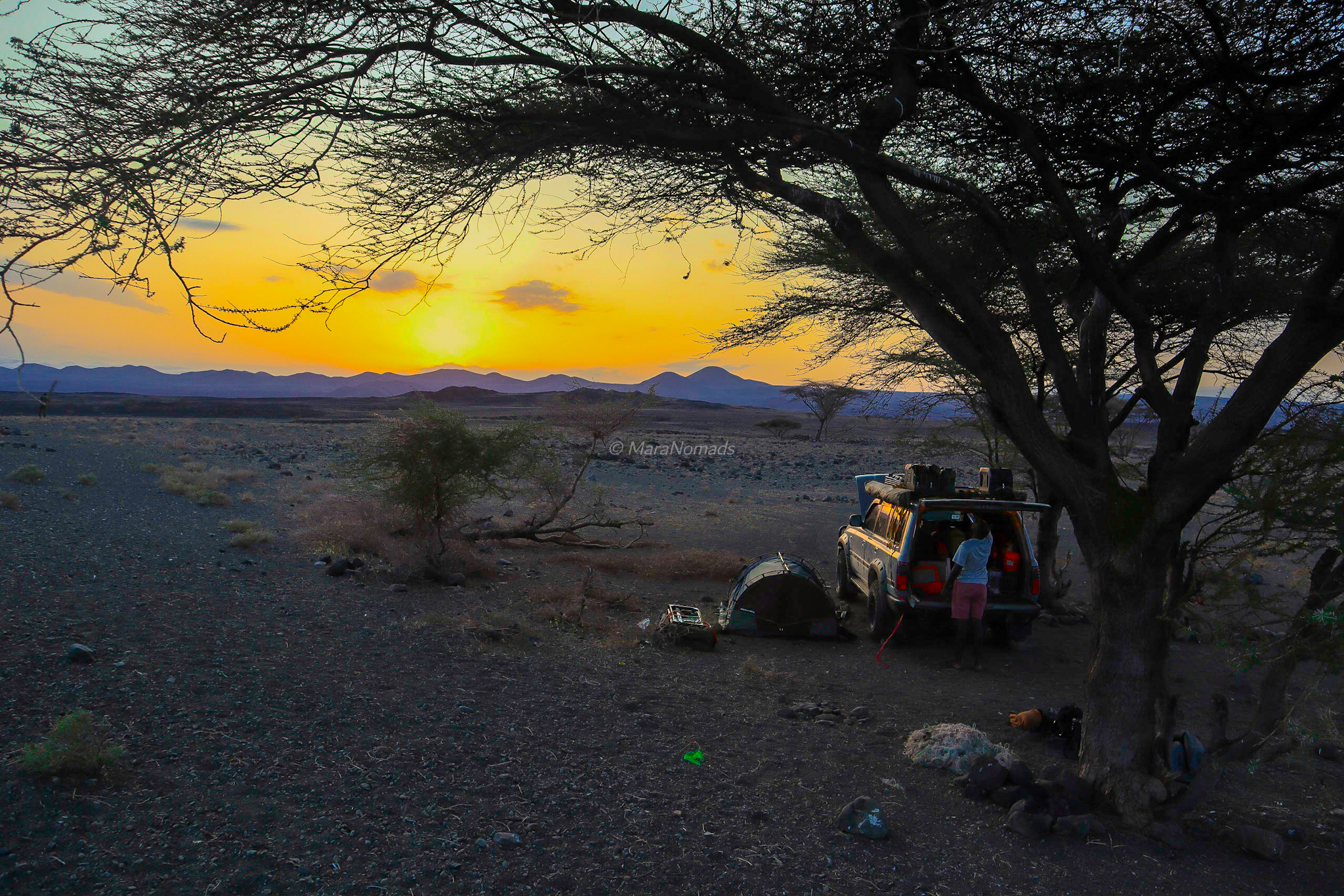
A: Wild camping. No facilities. No showers. No toilets beyond what you dig. You pitch your tent on ground you clear of stones and thorns. You cook your own food. You manage your own waste (pack it out or bury it properly). If this sounds uncomfortable, this expedition isn't for you. There are no lodges in that area. The nearest accommodation is days away. Everyone camps. This is non-negotiable and part of what makes this expedition what it is.
A: We carry group medical kit and have emergency evacuation protocols via satellite communication. Nearest medical facilities are significant distance away. Serious emergencies might require helicopter evacuation (your insurance/cost). This is why pre-existing conditions need to be disclosed and why personal insurance is mandatory.
A: Active participation. No spectators. If someone's stuck, you help recover. If there's a camp task, you contribute. If someone shares knowledge, you pay attention.
A: 100% it is.
A: Both. During the day, when we're navigating challenging terrain, it's focused and serious. Safety and capability matter. Around the campfire at night, it's social, storytelling, and often hilarious. We work hard and celebrate hard. If you need constant entertainment or can't handle intensity, it's not your trip.
A: Registration fee is KES 15,500 per person. You're responsible for your own operational costs. MANDATORY EXPEDITION GROUND COSTS: KES 9,800 per person Vehicle inspection fee KES 3,000 per vehicle GROUND COSTS include: 4 nights campsite fees, 3 days community conservancy fee, AMREF fee, expedition services fee (guides, armed security, logistics) per person, excluding vehicle inspection) TOTAL AMOUNT PAYABLE: Kes 25,300 per person
